



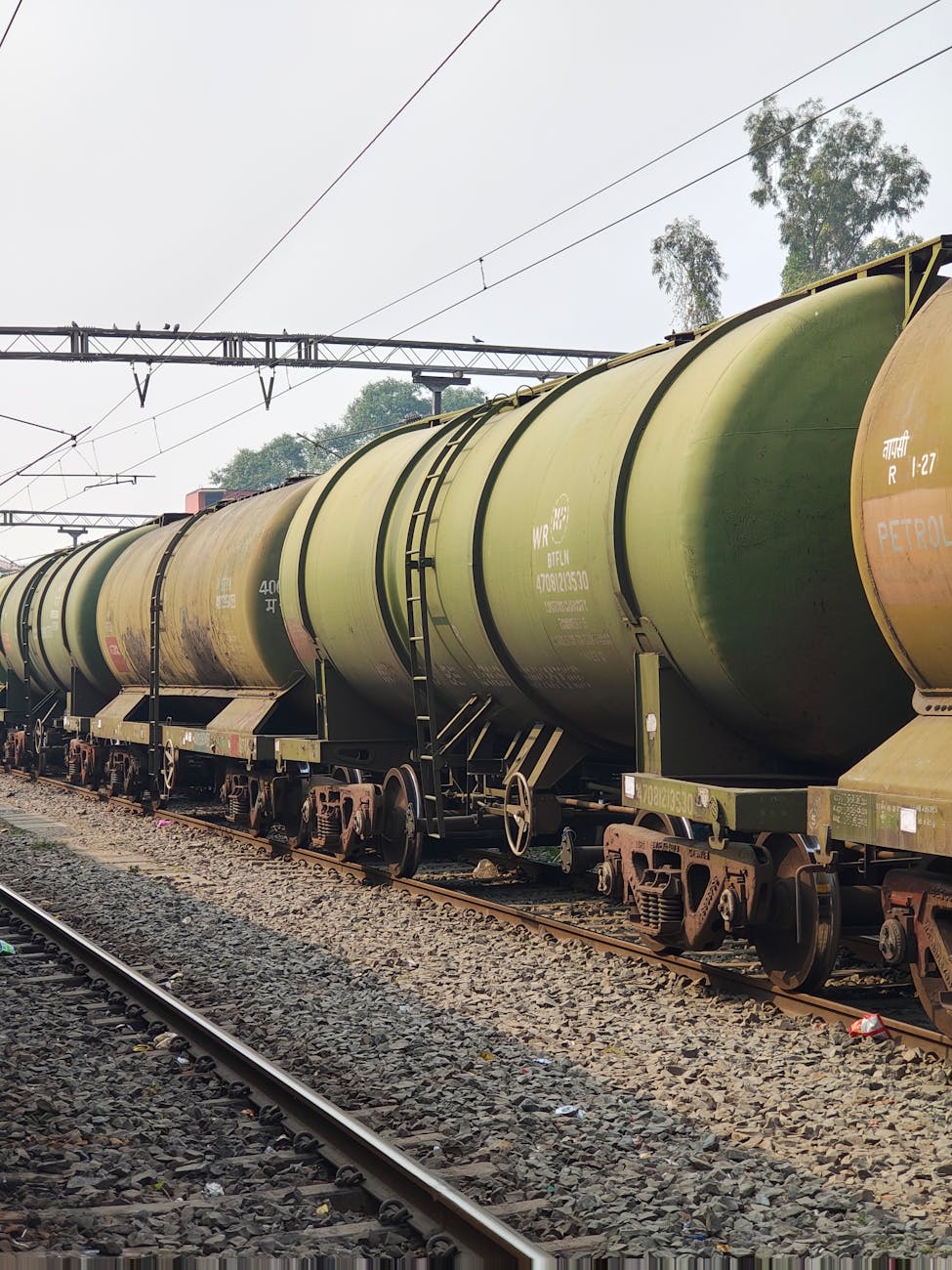
India’s growing dependence on imported energy is exposing a deeper structural weakness: the country consumes more oil every year while producing less of it at home. The result is an energy system increasingly vulnerable to geopolitical shocks, supply disruptions, and volatile global markets.
A decade ago, policymakers believed subsidy reforms, conservation campaigns, and production incentives would gradually reduce this dependence. Instead, India now imports close to 89% of its crude oil needs one of the highest levels in its history. Domestic crude production, meanwhile, has been declining for more than a decade.
The challenge today is not simply about reducing fuel consumption. It is about whether India can build a resilient energy architecture before the next major global disruption arrives.
India’s Energy Security Problem Is No Longer About Oil Prices Alone
India’s growing dependence on imported energy is exposing a deeper structural weakness: the country consumes more oil every year while producing less of it at home. The result is an energy system increasingly vulnerable to geopolitical shocks, supply disruptions, and volatile global markets.
A decade ago, policymakers believed subsidy reforms, conservation campaigns, and production incentives would gradually reduce this dependence. Instead, India now imports close to 89% of its crude oil needs — one of the highest levels in its history. Domestic crude production, meanwhile, has been declining for more than a decade.
The challenge today is not simply about reducing fuel consumption. It is about whether India can build a resilient energy architecture before the next major global disruption arrives.
From “Give It Up” to Greater Import Dependence
When the government launched the “Give It Up” LPG subsidy campaign in 2015 and promoted energy conservation under initiatives such as Urja Sangam, the broader policy message was clear: India needed to curb import dependence and strengthen domestic energy capability.
At the time, India’s crude oil import dependence stood near 77%. Policymakers hoped that production reforms, exploration incentives, and efficiency measures would reduce reliance on foreign oil over time.
That outcome never materialized.
According to Petroleum Planning and Analysis Cell (PPAC) data and industry reports, India’s oil import dependence has now climbed to nearly 89%, while domestic crude production continues to fall due to ageing oilfields and insufficient new discoveries.
India’s energy demand has risen steadily alongside economic growth, urbanisation, aviation expansion, and vehicle ownership. Yet upstream investments failed to keep pace.
This widening gap between consumption and production is now shaping nearly every major economic risk India faces from inflation and currency pressure to fiscal stress and trade deficits.
Why Domestic Production Keeps Falling
India’s oil sector has struggled with a combination of geological, regulatory, and investment-related challenges.
Many of the country’s largest producing fields especially those operated by state-run firms are mature assets with naturally declining output. New large-scale discoveries have been limited, while deepwater exploration remains capital-intensive and technologically complex.
Industry experts also point to policy uncertainty and slow approvals as long-standing barriers to foreign investment in exploration projects.
Even though the government recently reduced royalty burdens on producers to revive investment, the effects will take years to show results.
At the same time, India’s energy demand continues to accelerate faster than renewable alternatives can offset fossil fuel consumption.
Electric vehicles, solar power, and battery storage are growing rapidly, but not fast enough to significantly reduce oil demand in heavy transport, petrochemicals, aviation, and industrial sectors.
The Middle East Risk India Cannot Ignore
One of India’s biggest vulnerabilities is concentration risk.
A significant share of India’s crude imports still comes from West Asia, including Saudi Arabia, Iraq, the UAE, and Kuwait. That makes the country highly exposed to disruptions in strategic maritime chokepoints such as the Strait of Hormuz.
Recent tensions in the region have already highlighted how quickly supply chains can become unstable. Reports this month indicated that uncertainty around Hormuz disrupted crude flows and reduced India’s oil inventories.
Even though India has diversified purchases through discounted Russian crude in recent years, maritime risk remains central to the country’s energy security challenge.
Oil security is no longer only about securing cheaper barrels. It is increasingly about securing uninterrupted logistics.
Strategic Petroleum Reserves Are Still Limited
India has built strategic petroleum reserves (SPRs) at locations such as Visakhapatnam, Mangaluru, and Padur, but capacity remains modest compared to major economies.
Countries like the United States, China, Japan, and South Korea maintain far larger emergency stockpiles designed to withstand prolonged supply disruptions.
India’s reserves can provide only limited cover relative to total consumption levels. Analysts argue that the country needs both larger reserves and stronger pipeline connectivity to improve crisis preparedness.
The problem becomes especially serious during geopolitical conflicts because energy disruptions rarely affect only crude oil. LPG, LNG, refined fuels, and shipping insurance costs can all rise simultaneously.
That interconnected risk is becoming more visible across global markets.
The Energy Transition Alone Won’t Solve It
India’s clean-energy expansion is substantial by global standards. The country has become one of the world’s fastest-growing solar markets and is aggressively promoting green hydrogen, EVs, and battery manufacturing.
But the energy transition will not eliminate oil dependence overnight.
Heavy industry, freight movement, chemicals, aviation, and agriculture still rely heavily on petroleum products. Even optimistic forecasts suggest India will remain one of the world’s largest crude importers for decades.
That means policymakers cannot treat renewable energy and oil security as separate conversations.
India needs both:
accelerated clean-energy adoption,
and stronger fossil-fuel resilience during the transition period.
Ignoring either side creates vulnerability.
What India Must Prioritize Now
India’s energy strategy now requires a more practical and less slogan-driven approach.
Several steps are becoming increasingly urgent:
1. Expand Strategic Reserves Faster
India needs significantly larger petroleum storage capacity to cushion external shocks and stabilize domestic markets during disruptions.
2. Diversify Supply Geography
Reducing overreliance on any single region especially politically sensitive maritime corridors is essential for long-term stability.
3. Accelerate Exploration Reform
Faster environmental clearances, predictable taxation, and easier investment frameworks are necessary to attract global energy firms into high-risk exploration projects.
4. Build Energy Transport Infrastructure
Pipelines, LNG terminals, storage hubs, and coastal infrastructure matter as much as production itself.
5. Reduce Oil Demand Structurally
Public transport electrification, rail freight expansion, EV adoption, and industrial efficiency programs can gradually reduce vulnerability over time.
A Decade of Warnings, Little Structural Change
India’s energy challenge did not emerge suddenly. The warning signs have existed for years.
What has changed is the scale of exposure.
As domestic production declines and import dependence rises, every geopolitical conflict, shipping disruption, or oil price spike now carries greater economic consequences for India than before.
Conservation campaigns and subsidy reforms helped improve efficiency at the margins, but they were never substitutes for long-term energy capacity building.
The next phase of India’s energy policy will need to focus less on temporary relief and more on durable resilience — strategic reserves, diversified supply chains, modern infrastructure, and faster clean-energy deployment.
Because for a fast-growing economy, energy security is no longer just an economic issue. It is a national stability issue.