



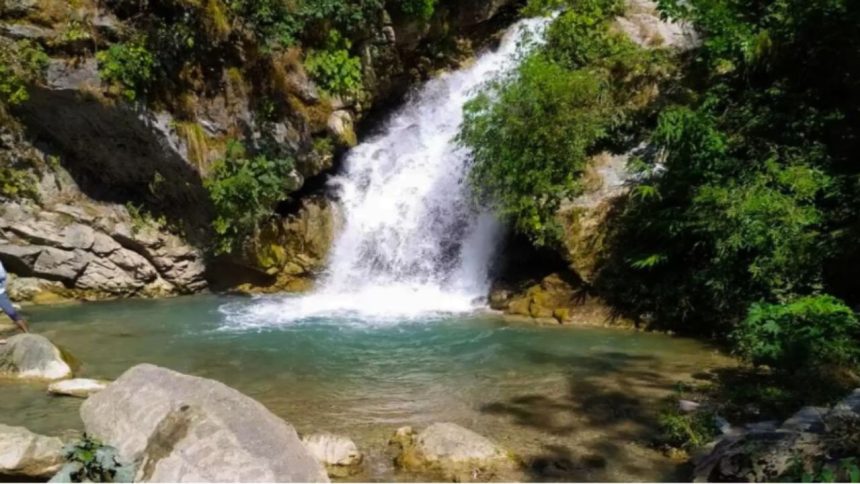

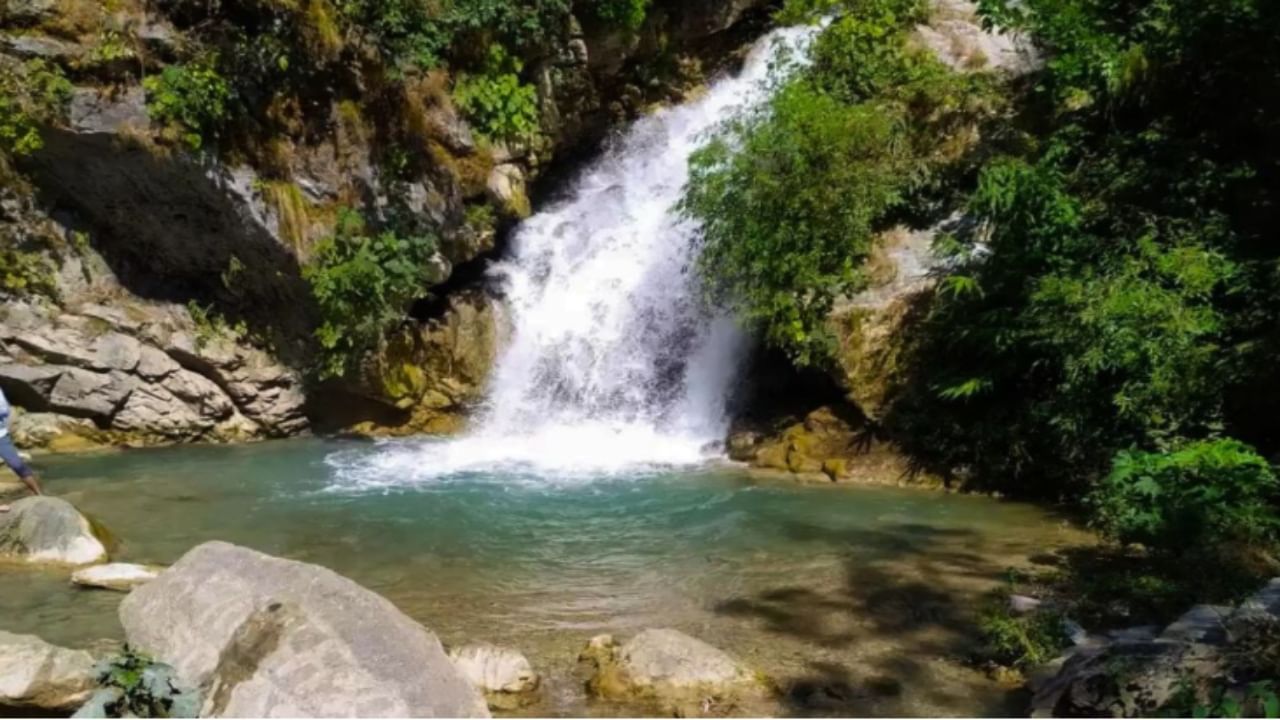
Dehradun/Mussoorie: Once-tranquil natural springs and river sources in Dehradun and Mussoorie are now facing the brunt of social media-fueled tourism, as viral reels and influencer posts draw weekend crowds to fragile ecosystems like Shikhar Falls, Maldevta, and Basaghat near the Tons River.
While these spots were once known only to locals and trekkers, they’ve now become hotspots for selfie-seekers and thrill-chasers—often at the cost of the environment and public order.
Surge in footfall has led to littering, encroachment, and water contamination
According to residents of Bhitarli and Maldevta, the surge in footfall has led to littering, encroachment, and water contamination. “People are bathing in the same water that supplies drinking water to the city,” said Manoj Bisht, who runs a clean-up initiative near Shikhar Falls. “Plastic bottles, snack wrappers, and liquor cans are now part of the landscape.”




Despite difficult access—washed-out roads, steep trails, and unpredictable weather—young tourists continue to flock to these “hidden gems,” often risking their safety for a few seconds of viral content. “They come in groups, play loud music, and leave behind garbage. It’s not tourism, it’s disruption,” said Pramod Jeet Deol, a resident of Bhitarli.
Forest Department has also issued warnings against illegal encroachments
The Forest Department has also issued warnings against illegal encroachments, as makeshift tea stalls and snack shops have begun appearing near these natural springs—often on forest land. In some cases, villagers themselves have contributed to the problem by commercializing access to these spots.
Awareness campaigns are being launched to promote responsible tourism
Meanwhile, awareness campaigns are being launched to promote responsible tourism, urging visitors to respect local customs, avoid littering, and refrain from playing loud music in eco-sensitive zones. The Tourism Department is also exploring ways to regulate digital promotion of such locations, possibly by working with influencers to highlight sustainability.
Court has summoned the state tourism secretary to explain the lack of planning
The High Court of Uttarakhand has taken note of the issue, questioning the state’s failure to implement a Tourism Development Plan (TDP) under the Doon Valley Notification. The court has summoned the state tourism secretary to explain the lack of planning and enforcement.
As the hills brace for another wave of weekend visitors, the message from locals and officials is clear: social media may have put these places on the map, but it’s up to all of us to keep them clean and safe.
Government is taking a dual approach toward social media influencers
The Uttarakhand government is taking a dual approach toward social media influencers spotlighting hidden gems in the state. On one hand, it’s encouraging responsible promotion: the government recently announced a nationwide competition for content creators and bloggers to promote tourism through high-quality video storytelling. This initiative, led by the Uttarakhand Film Council, invites creators to highlight themes like folk culture, homestays, wellness tourism, and lesser-known destinations. Winners will receive cash prizes and national recognition, aligning with the state’s push for curated, sustainable tourism narratives.
On the other hand, the government is also tightening oversight. In response to overcrowding and environmental damage at places like Shikhar Falls, Maldevta, and Basaghat, authorities have begun monitoring influencer activity more closely. There’s growing concern that viral content is drawing unregulated footfall to ecologically sensitive areas. As a result, local police and forest officials are restricting access, increasing weekend patrolling, and considering guidelines for digital promotion of such spots.