



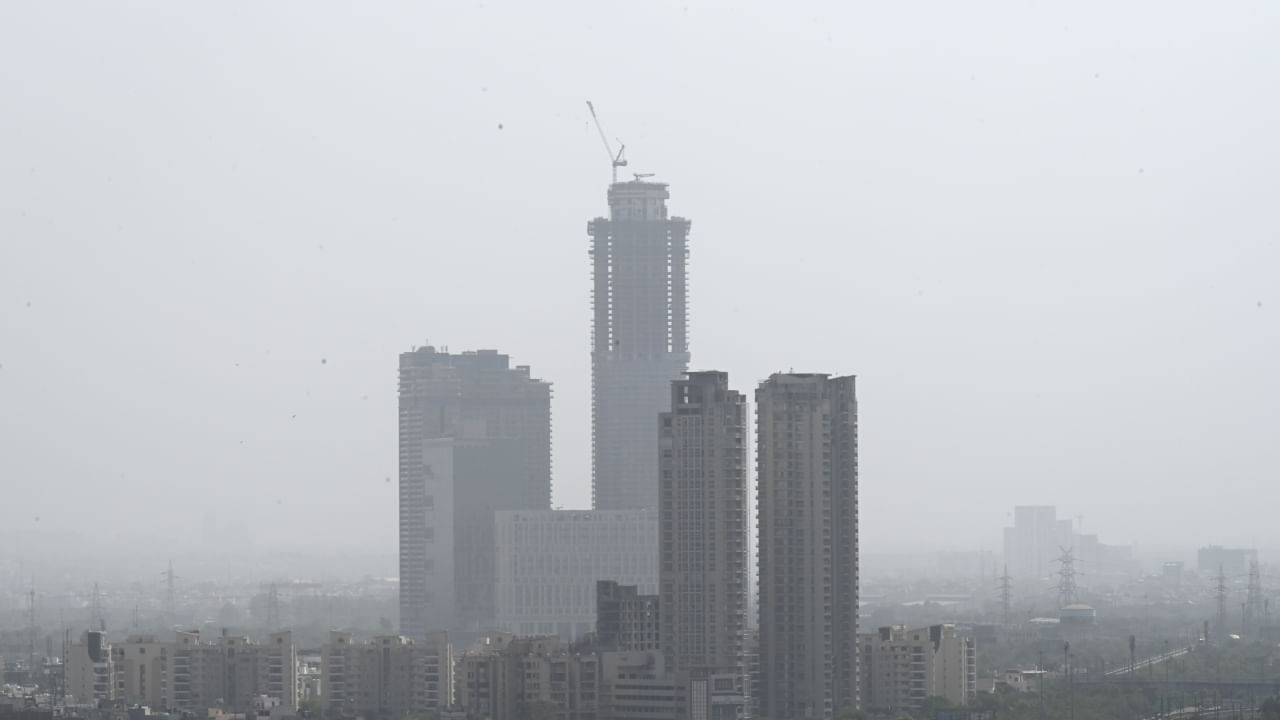
Mumbai: The air quality in Mumbai has taken a troubling turn as humidity levels rise and wind speeds decline, with the city now entering the “non-satisfactory” range for the third time this month. On Friday, the Central Pollution Control Board (CPCB) reported that 23 out of 30 air monitoring stations recorded an average Air Quality Index (AQI) of 131, a significant surge from 101 on October 8 and 116 on October 2.
The most affected area is Navy Nagar in Colaba, where pollution levels surged to a “hazardous” 312, raising serious health concerns for residents, particularly those with pre-existing respiratory conditions. Other neighborhoods, including Byculla, Mazgaon, and Worli, also reported “very unhealthy” air quality levels.
Click on the link below to know the #AQI of 244 cities in the country.https://t.co/iLGya1F0mK#SameerApp #CPCB #AQIUpdate @byadavbjp @KVSinghMPGonda @moefcc @mygovindia @PIB_India pic.twitter.com/jTlqPpYgzB
— Central Pollution Control Board (@CPCB_OFFICIAL) October 25, 2024
AQI across different locations in Mumbai: aqi.in Data
| Location | Status | AQI | PM 2.5 | PM 10 | Min Temp | Max Temp |
| Bandra | GOOD | 0 | 38 | 103 | 29 | 48 |
| Bandra East | POOR | 134 | 49 | 75 | 28 | 62 |
| Bandra Kurla Complex | MODERATE | 99 | 35 | 100 | 29 | 47 |
| Borivali East | POOR | 153 | 59 | 85 | 30 | 46 |
| Borivali East MPCB | MODERATE | 55 | 14 | 37 | 29 | 48 |
| CSMI Airport | MODERATE | 79 | 19 | 111 | 30 | 46 |
| Colaba | POOR | 152 | 57 | 130 | 29 | 50 |
| Deonar | POOR | 164 | 81 | 121 | 29 | 48 |
| Juhu | POOR | 112 | 40 | 111 | 30 | 46 |
| Khindipada Bhandup West | MODERATE | 89 | 30 | 81 | 29 | 48 |
| Kurla | POOR | 139 | 51 | 115 | 30 | 46 |
| Mahape | MODERATE | 77 | 20 | 107 | 30 | 46 |
| Malad | POOR | 122 | 44 | 156 | 29 | 48 |
| Mazgaon | POOR | 114 | 0 | 181 | 29 | 48 |
| Mumbai Us Consulate | POOR | 163 | 79 | 0 | 28 | 62 |
| Navy Nagar Colaba | POOR | 152 | 57 | 130 | 29 | 50 |
| Nerul | MODERATE | 93 | 32 | 89 | 27 | 64 |
| Nmmc Airoli | MODERATE | 84 | 28 | 94 | 29 | 47 |
| Powai | POOR | 115 | 41 | 79 | 29 | 48 |
| Siddharth Nagar Worli | POOR | 164 | 81 | 143 | 29 | 48 |
| Sion | MODERATE | 64 | 16 | 81 | 29 | 48 |
| Vasai West | POOR | 122 | 44 | 113 | 30 | 46 |
| Vile Parle West | POOR | 134 | 49 | 111 | 28 | 61 |
| Vile Speaks West | POOR | 153 | 59 | 111 | 30 | 46 |
| Worli | POOR | 139 | 51 | 145 | 28 | 55 |
What experts have to say on Mumbai’s deteriorating AQI?
Meanwhile, experts attribute this decline in air quality to shifting wind patterns following the withdrawal of the southwest monsoon on October 15. The city has been blanketed in smog, with the notable change in temperatures. Meteorologists explain that the combination of low wind speeds and high humidity traps emissions and dust from vehicles, industries, and construction activities, preventing them from dispersing. As the trapped particulate matter heats up in the humid air, it exacerbates the already stifling atmosphere.



Despite the current conditions, there may be hope for improvement in the coming days. Weather experts predict that as temperatures begin to drop and wind speeds increase, the AQI is expected to improve.